
News
Recent News
Why Carbon Steel Pipe Grades Matter in 2026
Carbon Steel Pipe grades define how a pipe performs under pressure, temperature, welding, bending, and long-term service conditions.
In 2026, grade selection is no longer a simple comparison of price and size.
Projects now place greater attention on traceability, lifecycle cost, safety margins, and compliance with updated specifications.
The grade behind a Carbon Steel Pipe affects tensile strength, yield strength, weldability, toughness, and resistance to service environments.
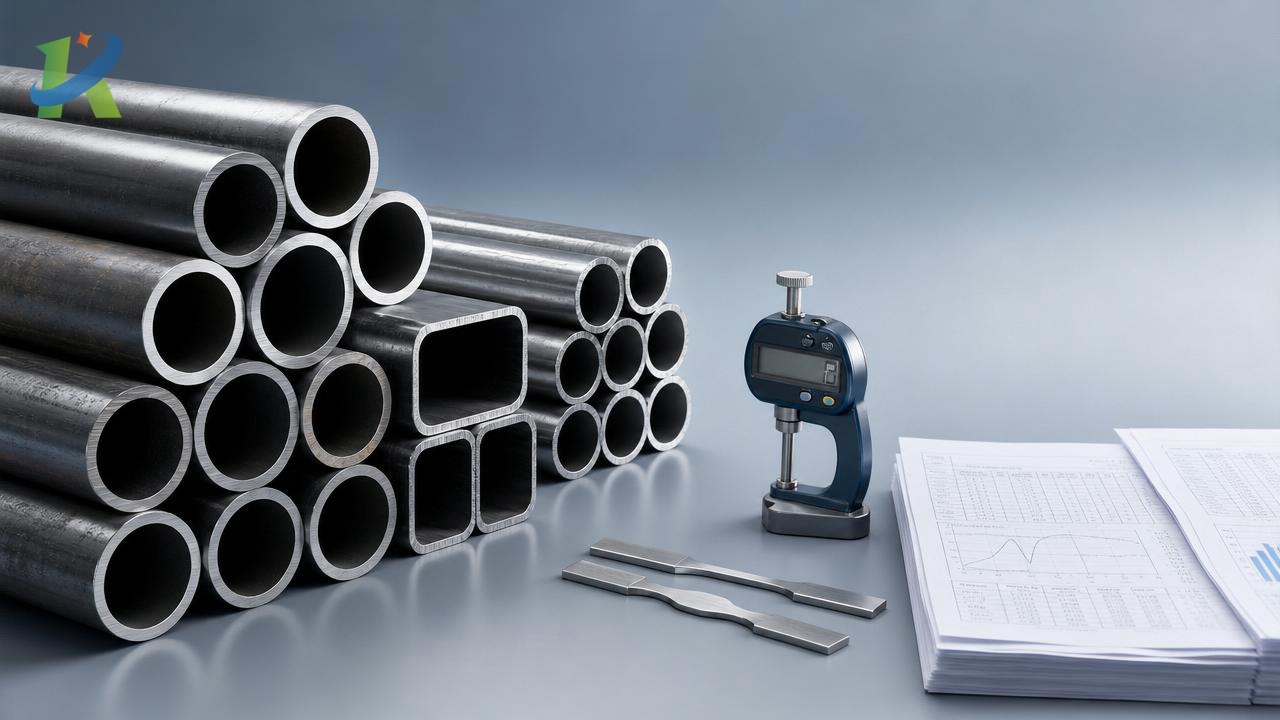
A visual comparison of common grade families can help clarify how specifications connect with applications.
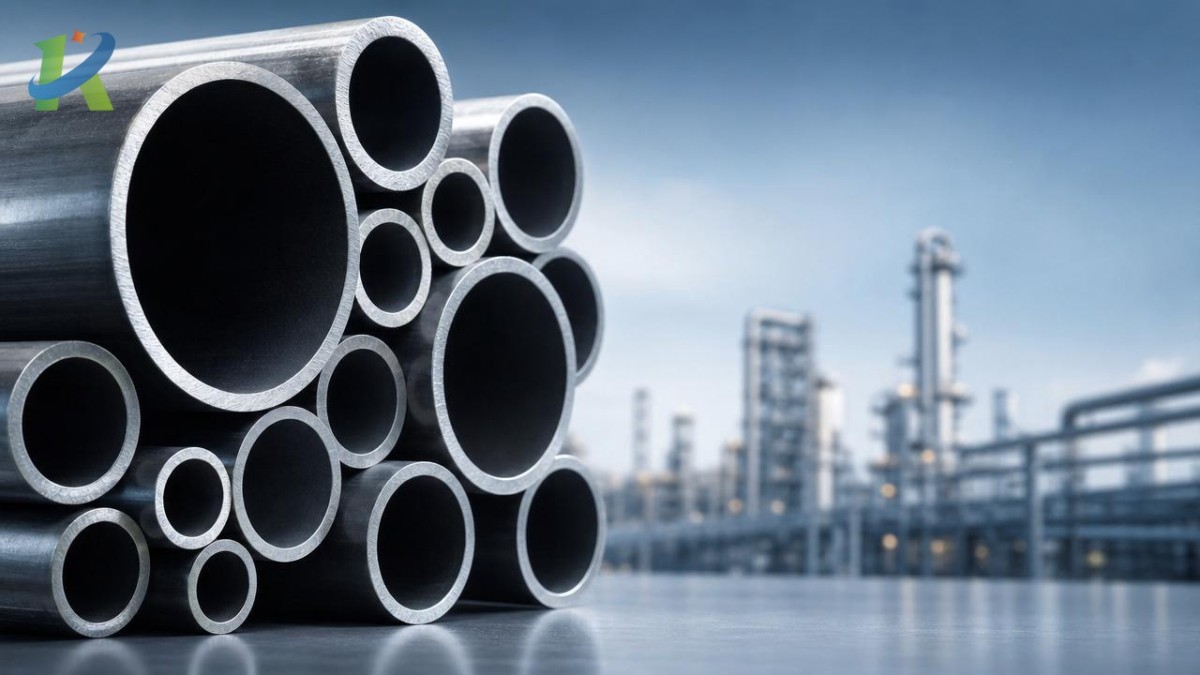
The decision becomes more important when pipes are used in oil and gas, construction, power generation, mechanical systems, or process plants.
A lower-cost grade may work well in ordinary service.
The same grade may create risk in high-pressure transmission, low-temperature operation, or sour service environments.
What a Carbon Steel Pipe Grade Actually Indicates
A pipe grade is not just a label printed on a mill certificate.
It reflects a controlled combination of chemical composition, mechanical properties, manufacturing method, heat treatment, and testing requirements.
Carbon content is a major factor, but it is not the only factor.
Manganese, phosphorus, sulfur, silicon, and microalloying elements can change strength, toughness, and weld behavior.
For Carbon Steel Pipe, grade selection also depends on whether the pipe is seamless, ERW, SAW, or fabricated for special service.
Seamless pipe is often chosen where pressure, temperature, or reliability demands are higher.
Welded pipe can offer strong value for structural, fluid transport, and large-diameter applications.
The grade must be read together with the specification.
For example, ASTM A106 Grade B and API 5L Grade B may appear similar in name.
However, their intended service, testing scope, and acceptance criteria are not identical.
Common Carbon Steel Pipe Standards and Grade Families
Most grade discussions start with standards from ASTM, ASME, API, EN, JIS, or national systems.
These standards create a common language for ordering, inspection, and documentation.
The following overview shows how several widely used Carbon Steel Pipe grades are commonly understood.
This table is a starting point, not a substitute for project specifications.
A Carbon Steel Pipe order may include wall thickness, end finish, coating, testing level, and supplementary requirements.
Those details can matter as much as the grade itself.
ASTM A53, A106, and API 5L in Practical Comparison
ASTM A53 is often associated with general-purpose Carbon Steel Pipe in water, air, steam, and structural applications.
It may be supplied seamless or welded, depending on type and ordering conditions.
Grade B is commonly selected because it offers higher strength than Grade A.
ASTM A106 is more closely tied to seamless pipe for high-temperature service.
It is frequently specified in refinery, power, and process piping where pressure and temperature are critical.
API 5L is different because it focuses on line pipe for transporting oil, natural gas, and related fluids.
Its higher-strength grades, such as X52, X60, X65, and X70, support long-distance pipelines and demanding terrain.
When comparing these families, the question is not which standard is best.
The better question is whether the Carbon Steel Pipe grade matches the service condition and inspection requirement.
Strength, Weldability, and Toughness Should Be Read Together
A stronger grade does not automatically create a better piping solution.
Higher strength can reduce wall thickness in some designs, but it may also affect welding procedures.
Carbon equivalent is often reviewed to estimate weldability and preheat requirements.
If carbon equivalent is high, the risk of cold cracking can increase during welding.
Toughness is equally important, especially for low-temperature, seismic, or impact-sensitive service.
A Carbon Steel Pipe used outdoors in cold climates may require Charpy impact testing.
For pressure systems, toughness reduces the chance of brittle fracture under sudden stress.
In practical selection, strength, weldability, and toughness should be treated as connected factors.
Focusing on only one property can lead to expensive changes during fabrication or commissioning.
Corrosion Resistance and Service Environment
Carbon steel is not selected because it is the most corrosion-resistant material.
It is selected because it balances strength, availability, fabrication ease, and cost.
The service environment decides whether that balance is acceptable.
Water chemistry, soil condition, oxygen exposure, temperature, and fluid composition all influence corrosion behavior.
A Carbon Steel Pipe may need external coating, internal lining, cathodic protection, or corrosion allowance.
In sour service, material selection must consider hydrogen sulfide exposure and applicable NACE requirements.
In fire protection, HVAC, or general utility systems, coating and maintenance plans may be the main concerns.
This is why grade selection should not be separated from environment analysis.
The same Carbon Steel Pipe grade can perform very differently across dry gas, seawater, slurry, and underground service.
Typical Application Paths by Grade Group
Applications rarely depend on grade alone, yet grade groups still reveal useful selection patterns.
General service grades support systems where pressure, temperature, and corrosion risks are moderate.
Pressure and temperature grades are used when safety codes demand tighter property control.
Pipeline grades emphasize transmission efficiency, field weldability, fracture control, and toughness.
- A53 Grade B: common for mechanical, utility, and standard fluid service.
- A106 Grade B: widely used for seamless high-temperature pressure piping.
- API 5L X52: often considered for moderate-strength pipeline systems.
- API 5L X65 or X70: suited to higher-strength transmission needs.
- A333 Grade 6: selected where low-temperature toughness is required.
These examples are useful for orientation, but final suitability depends on code, design pressure, and service medium.
A Carbon Steel Pipe chosen for one plant may not satisfy another plant with similar equipment names.
What Has Changed in Grade Evaluation for 2026
The technical basics have not disappeared, but evaluation habits are changing.
More projects now expect clearer material traceability and better documentation consistency.
Mill test certificates are reviewed more closely for heat number, chemical analysis, mechanical results, and specification compliance.
Supply chain risk has also made grade substitution more sensitive.
A substitute Carbon Steel Pipe grade may be acceptable only if it meets every technical and code requirement.
Sustainability discussions are also influencing steel procurement.
Carbon footprint, production route, service life, and replacement frequency are entering more material decisions.
This does not mean traditional grades are losing relevance.
It means the chosen Carbon Steel Pipe grade must support technical, commercial, and documentation expectations together.
Key Checks Before Selecting a Carbon Steel Pipe Grade
A practical selection process starts with service conditions, not with a catalogue page.
Pressure, temperature, fluid type, installation location, and applicable code should be confirmed early.
Then the grade can be compared against mechanical requirements and fabrication constraints.
- Confirm the governing standard, such as ASTM, ASME, API, EN, or project specification.
- Check yield strength, tensile strength, elongation, and impact testing requirements.
- Review weldability, carbon equivalent, heat treatment, and required welding procedures.
- Match wall thickness, schedule, diameter, and manufacturing method to design needs.
- Evaluate corrosion control through coating, lining, allowance, or environmental protection.
- Verify certificates, heat numbers, marking, inspection reports, and supplementary tests.
These checks reduce the chance of ordering a technically acceptable pipe that fails project acceptance later.
They also make Carbon Steel Pipe comparison more transparent across suppliers and specifications.
Cost Should Be Viewed Beyond the Purchase Price
Price remains important, but it is only one part of the total value equation.
A cheaper Carbon Steel Pipe can become costly if it needs extra testing, rework, or replacement.
Higher-grade pipe may reduce thickness, support longer service life, or simplify compliance.
However, it may also require stricter welding control and more careful procurement planning.
Lead time is another practical cost factor.
Common grades are generally easier to source, while special grades may require production scheduling.
The most reliable decision usually balances availability, compliance, fabrication effort, and lifecycle performance.
That balance is especially important when Carbon Steel Pipe is part of critical infrastructure or continuous operation.
Reading Mill Certificates and Markings with Care
Documentation is where many grade misunderstandings become visible.
A mill test certificate should align with the ordered standard, grade, size, heat number, and test results.
Pipe markings should correspond to the same information, including specification, grade, manufacturer, and traceability code.
For Carbon Steel Pipe used in regulated service, missing or inconsistent documentation can delay acceptance.
Chemical composition should be checked against maximum and minimum limits.
Mechanical values should meet the grade requirements without relying on assumptions.
If impact testing, hydrostatic testing, NDT, or supplementary requirements are specified, they should appear clearly.
Good documentation does not improve the steel itself, but it protects the decision process.
How to Move from Grade Research to a Sound Decision
Carbon Steel Pipe grade selection works best when technical needs are organized before comparison begins.
Start with the operating environment, pressure class, temperature range, and applicable design code.
Then compare grade families through strength, weldability, toughness, corrosion strategy, and documentation requirements.
Where several grades appear suitable, review fabrication complexity and lifecycle cost.
A grade that looks efficient on paper should still fit welding procedures, inspection plans, and supply timelines.
For 2026 projects, the strongest approach is to build a clear selection checklist.
That checklist should connect service conditions with specifications, grade limits, testing needs, and acceptance documents.
From there, Carbon Steel Pipe options can be compared with fewer assumptions and better long-term confidence.
The next step is to align grade choices with real project conditions, not only standard names.
That is where material selection becomes practical, measurable, and easier to defend.