
News
Recent News
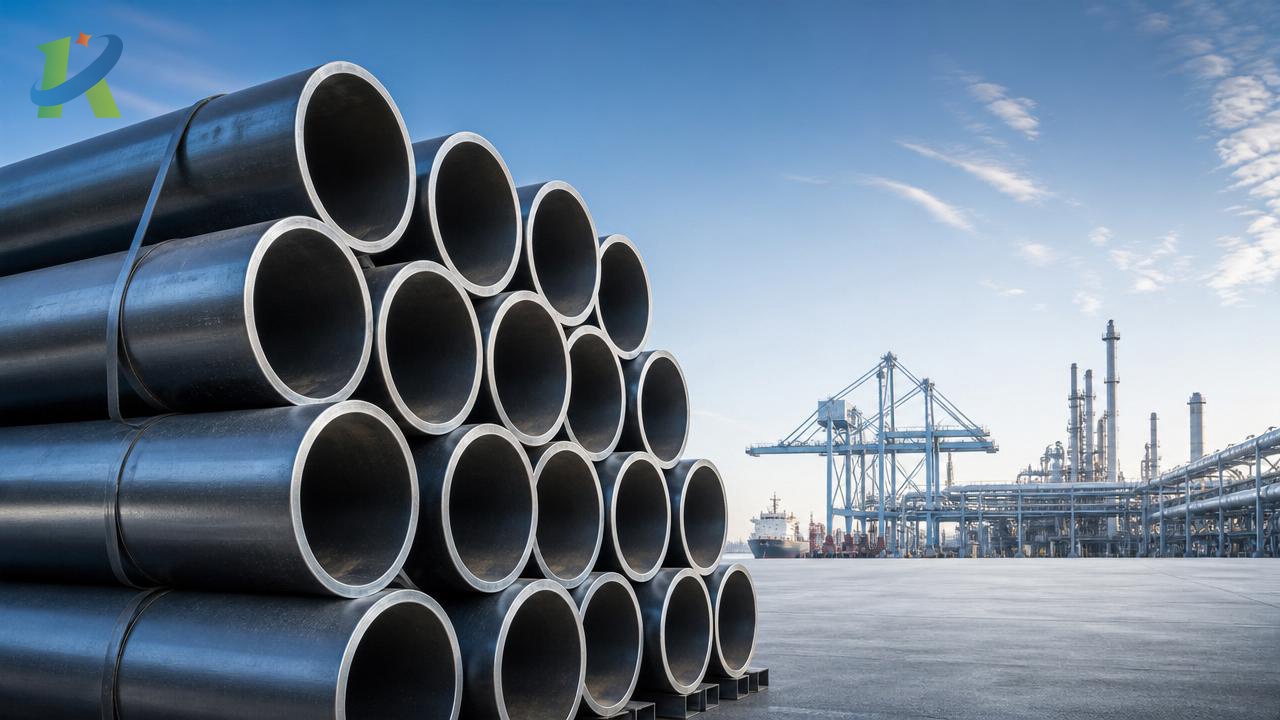
As global infrastructure, energy, manufacturing, and construction sectors adjust to shifting supply chains, the 2026 Carbon Steel Pipe market is entering a decisive phase.
Cost pressure, regional capacity shifts, and stricter project timelines are changing how Carbon Steel Pipe is sourced, priced, and evaluated.
This outlook explains the main demand signals, pricing drivers, risk points, and practical sourcing actions for the steel industry in 2026.
What does the 2026 Carbon Steel Pipe market outlook really indicate?
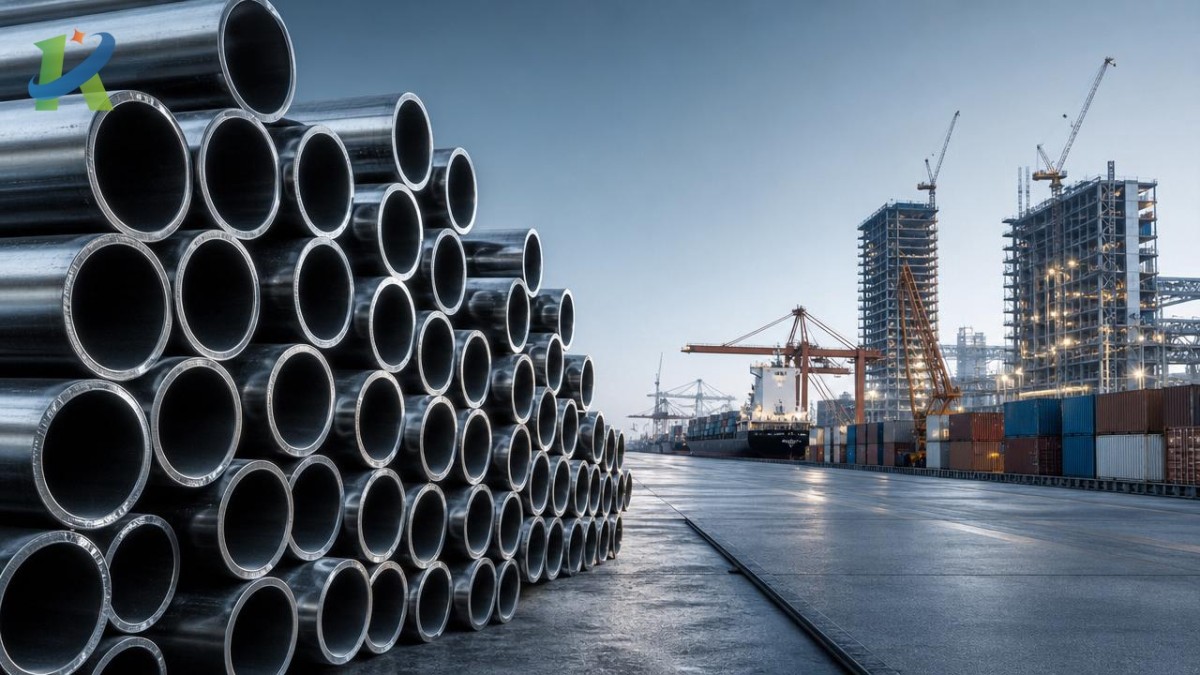
The 2026 Carbon Steel Pipe market outlook points to measured growth, not uncontrolled expansion.
Demand remains supported by infrastructure renewal, industrial upgrades, water transmission, energy distribution, and mechanical fabrication.
However, the market is becoming more selective. Buyers are comparing quality, delivery stability, certification, and total landed cost more carefully.
Carbon Steel Pipe continues to benefit from its strength, weldability, availability, and cost efficiency compared with many alloy alternatives.
Its role remains strong in structural systems, low-pressure transmission, process piping, piling, scaffolding, and general engineering applications.
The main change is not whether Carbon Steel Pipe will be used. The question is how reliably it can be supplied.
Mills, stockholders, and project contractors are expected to focus more on lead-time accuracy and batch consistency.
In 2026, market advantage may come from disciplined procurement rather than simple price negotiation.
Which demand sectors will shape Carbon Steel Pipe consumption in 2026?
Several sectors are expected to support Carbon Steel Pipe demand, though their buying cycles will differ.
Infrastructure remains a core driver. Road, bridge, drainage, port, and municipal projects need dependable pipe products.
Water and wastewater systems also support steady consumption. Aging networks create demand for replacement and expansion.
Energy applications will remain important, especially for transmission, auxiliary systems, power plants, and downstream industrial facilities.
Manufacturing activity influences mechanical tubing, conveyor systems, equipment frames, and fabricated pipe assemblies.
Construction demand may vary by region. Commercial projects can slow, while public infrastructure may remain more resilient.
- Urban infrastructure may increase demand for large-diameter Carbon Steel Pipe.
- Industrial projects may require tighter dimensional tolerance and traceability.
- Energy facilities may prioritize certified pipe and stable delivery windows.
- Fabrication workshops may focus on weldability, surface quality, and repeat orders.
The strongest opportunities will likely appear where steel pipe is linked to funded projects, not speculative demand.
Tracking project approvals can provide better signals than watching short-term spot prices alone.
What factors may affect Carbon Steel Pipe prices?
Carbon Steel Pipe pricing in 2026 will depend on raw materials, production costs, logistics, and regional supply balance.
Hot rolled coil prices are especially important for welded pipe. Billet and round bar prices affect seamless pipe economics.
Iron ore, coking coal, scrap, and energy costs will remain key upstream indicators.
When mill input costs rise quickly, pipe quotations may adjust before downstream demand fully recovers.
Freight is another major factor. Ocean shipping, inland transport, port congestion, and insurance can change final landed cost.
Currency movement also matters for international trade. A small exchange shift can affect competitive pricing.
Policy risks should not be ignored. Tariffs, anti-dumping measures, and certification rules may reshape sourcing options.
For Carbon Steel Pipe, price comparison should include coating, testing, cutting, packing, documentation, and delivery conditions.
A low unit price can become expensive if inspection fails or delivery misses a project window.
How should buyers compare welded and seamless Carbon Steel Pipe?
Welded and seamless Carbon Steel Pipe serve different technical and commercial needs.
Welded pipe is commonly produced from steel coil or plate. It often offers efficient cost and broad size availability.
It is widely used in structural, low-pressure, mechanical, piling, and general conveyance applications.
Seamless pipe is produced without a longitudinal weld. It is preferred where pressure, temperature, or stress conditions are stricter.
Common applications include boilers, pressure systems, hydraulic lines, and demanding industrial process environments.
The correct choice depends on design pressure, wall thickness, standard, testing requirement, and installation environment.
Using seamless pipe where welded pipe is sufficient may increase project cost unnecessarily.
Using welded pipe where seamless performance is required may create safety, compliance, and maintenance risks.
What risks should be watched when sourcing Carbon Steel Pipe in 2026?
The most common sourcing risks are not limited to price changes.
Specification mismatch is a frequent issue. Diameter, wall thickness, grade, length, beveling, and coating must match the contract.
Documentation gaps can delay customs clearance, installation approval, or payment processing.
Carbon Steel Pipe may require mill test certificates, inspection reports, heat numbers, and standard compliance records.
Surface protection is another risk. Poor coating, weak packaging, or improper storage can lead to corrosion before installation.
Lead-time risk may grow when regional demand rises or mills prioritize larger contracts.
A reliable sourcing plan should include backup supply, flexible shipment windows, and clear inspection responsibility.
- Confirm the exact standard before requesting quotations.
- Separate base price from coating, testing, and packing charges.
- Request production schedule details, not only estimated delivery dates.
- Check whether stock pipe and made-to-order pipe have different certificates.
- Align payment terms with inspection and shipment milestones.
Carbon Steel Pipe procurement should be treated as a specification-driven process, not a simple commodity purchase.
How can a practical 2026 Carbon Steel Pipe sourcing strategy be built?
A strong strategy begins with demand forecasting. Project volume, delivery sequence, and installation timing should be mapped early.
Next, technical requirements should be converted into clear quotation documents.
These documents should include grade, standard, size, wall thickness, coating, testing, marking, packing, and delivery terms.
Supplier evaluation should cover more than quoted price. Production capability, export experience, inspection support, and communication speed matter.
For recurring Carbon Steel Pipe demand, framework agreements may reduce repeated negotiation and improve delivery planning.
For large projects, staged shipments can reduce storage pressure and lower corrosion risk.
For uncertain demand, combining stock pipe and mill production can improve flexibility.
The best 2026 plan should balance price protection, quality assurance, and supply continuity.
Conclusion: what is the next step for Carbon Steel Pipe planning?
The 2026 Carbon Steel Pipe market will reward careful preparation and disciplined specification control.
Demand is expected to remain active, but pricing and availability may vary across regions and product types.
A practical next step is to review upcoming project needs against current pipe standards, delivery windows, and supplier capacity.
Shortlist qualified sources, clarify documentation requirements, and compare total landed cost before committing to orders.
With early planning, Carbon Steel Pipe sourcing in 2026 can become more predictable, cost-aware, and resilient.