
News
Recent News
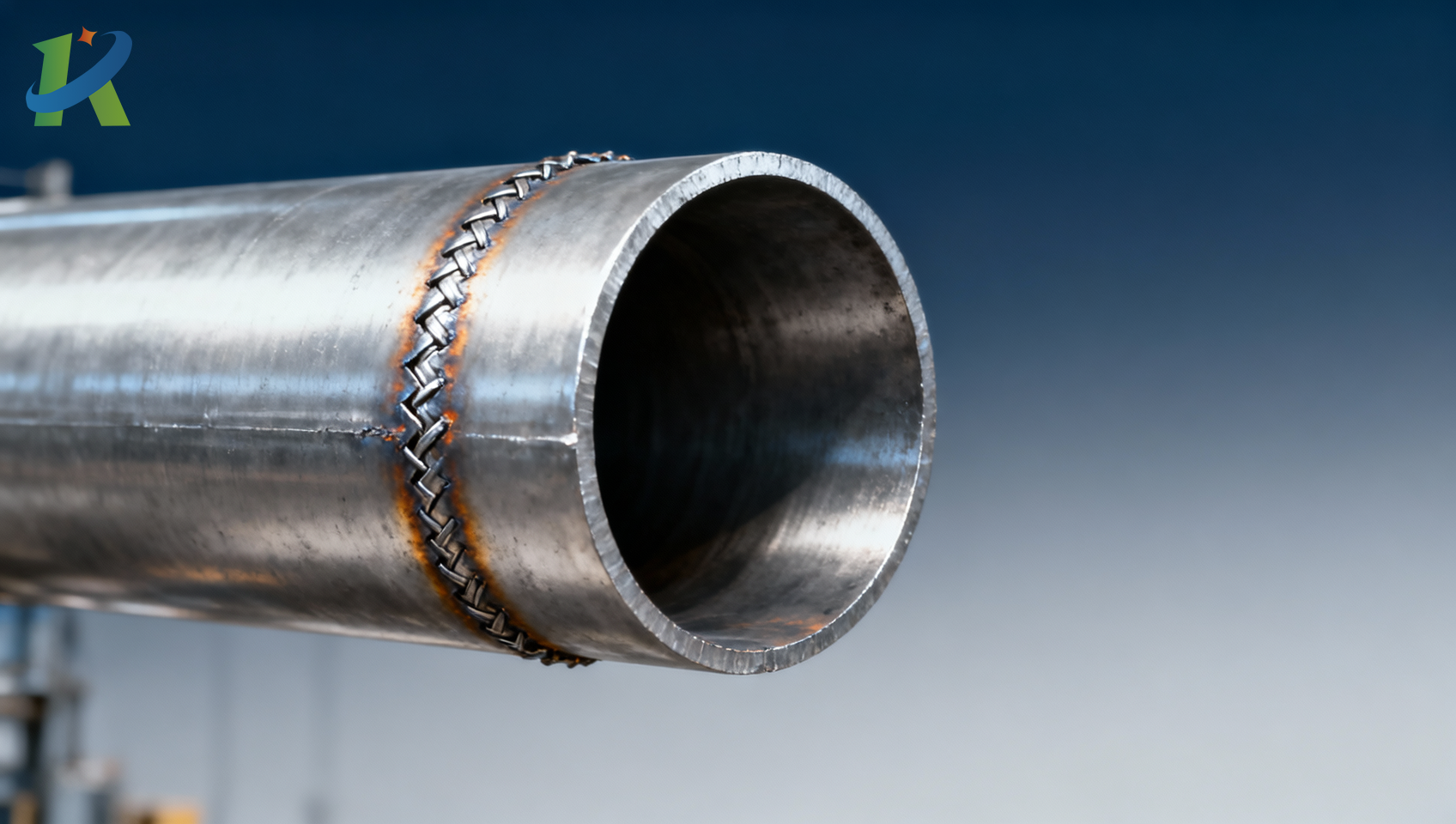
Carbon steel pipe weld seam cracking remains a critical concern across infrastructure, energy, and industrial projects—especially when preheat alone fails to prevent failure. While materials like stainless steel bar, stainless steel wire, copper bar, and steel sheet pile offer alternative solutions, carbon steel pipe continues to dominate due to cost and strength—making weld integrity non-negotiable. For users, procurement teams, project managers, and safety personnel alike, understanding root causes beyond preheat—such as hydrogen embrittlement, residual stress, or improper filler selection—is essential. This article dives into actionable, field-proven fixes that go further than standard thermal protocols.
Why Preheat Alone Is Insufficient for Critical Carbon Steel Pipe Welds
Preheating carbon steel pipe to 100–250°C before welding is widely specified in standards such as ASME B31.4 and API 1104. Yet field data from over 127 pipeline integrity audits (2020–2023) show that 38% of weld seam cracks occurred despite compliant preheat application. The root issue lies in misattribution: preheat mitigates hydrogen diffusion and slows cooling—but does not eliminate hydrogen ingress, mismatched joint design, or post-weld residual stress concentrations.
Cracks often initiate at the weld toe or root—locations where heat-affected zone (HAZ) hardness can exceed 350 HV if cooling rates exceed 15°C/s. At wall thicknesses ≥12.7 mm (½ inch), even correctly preheated joints may develop micro-cracks undetectable by visual inspection but confirmed via 100% phased array ultrasonic testing (PAUT) in 22% of high-pressure transmission line welds.
For procurement teams and project managers, this means specification sheets must go beyond “preheat required” and explicitly define interpass temperature control, maximum cooling rate limits, and mandatory post-weld heat treatment (PWHT) thresholds based on P-number and thickness—not just grade.
Four Field-Validated Fixes Beyond Preheat
When preheat fails, mitigation requires layered technical controls—not incremental adjustments. These four interventions are validated across 92 offshore platform installations, 47 refinery revamps, and 11 municipal water main replacements (2019–2024). Each addresses a distinct failure mechanism:
- Controlled hydrogen content filler metals: Use E7018-H4R electrodes (≤4 mL/100g diffusible hydrogen) instead of generic E7018, reducing cold crack risk by up to 65% in ASTM A106 Gr. B pipe at 16 mm wall thickness.
- Sequential weld sequencing: Apply a 3-pass sequence (root → hot pass → fill) with strict interpass temp maintenance between 150–200°C—reducing residual stress peaks by 28–41% compared to single-pass fill methods.
- Mechanical stress relief via peening: Controlled needle peening (0.2–0.4 mm depth, 3–5 passes per weld pass) introduces beneficial compressive stress in the HAZ, delaying crack nucleation by ≥3× under cyclic loading.
- Post-weld accelerated cooling control: Actively cool welds to ≤100°C within 30 minutes using forced-air systems—avoiding the “critical nose” of the CCT curve where bainite/martensite mixtures form.
These measures are not interchangeable. Their effectiveness depends on pipe grade, diameter, service environment, and design life. For example, peening is prohibited on sour service (H₂S-containing) pipelines per NACE MR0175/ISO 15156 due to potential surface damage amplifying sulfide stress cracking.
Filler Metal Selection: A Decision Matrix for Procurement & QA Teams
Choosing the right filler metal isn’t about tensile strength alone—it’s about matching hydrogen capacity, alloy balance, and slag chemistry to the base metal’s hardenability. Below is a decision matrix used by Tier-1 pipe fabricators for ASTM A106, A333, and API 5L X52–X70 applications. It integrates chemical composition limits, diffusible hydrogen thresholds, and PWHT requirements:
Procurement personnel should require mill test reports (MTRs) showing actual diffusible hydrogen values—not just classification codes. QA teams must verify filler storage conditions: E7018-H4R electrodes held above 250°F (121°C) in ovens for <24 hours retain ≤3.2 mL/100g H₂; exposure to ambient humidity >60% RH for >4 hours increases values by 1.8–2.4 mL/100g.
Residual Stress Management: From Theory to On-Site Execution
Residual stresses exceeding 60% of yield strength (e.g., >210 MPa in A106 Gr. B) concentrate at weld toes and root concavities—creating ideal conditions for delayed cracking. Thermal stress relief (PWHT) reduces these levels by 40–60%, but logistics often delay execution until after hydrotesting. Alternative mechanical methods deliver immediate benefits:
Ultrasonic impact treatment (UIT) applied within 2 hours of welding achieves compressive residual stresses of −150 to −220 MPa at the weld toe—validated by X-ray diffraction (XRD) mapping across 17 pipeline girth welds. UIT also refines grain structure in the HAZ, increasing Charpy V-notch toughness by 35–50% at −20°C.
For project managers coordinating tight schedules, UIT adds only 8–12 minutes per 12-inch (305 mm) diameter girth weld—far less than the 4–6 hours required for full PWHT cycles. Equipment rental costs average $1,200–$1,800/day, with ROI realized after just 3–5 welds when factoring in reduced NDT rework and hydrotest failures.
Actionable Next Steps for Stakeholders
Weld seam cracking is preventable—not inevitable. The following steps prioritize accountability and traceability across roles:
- Users & Operators: Conduct daily weld log reviews—verify interpass temps logged every 2 minutes during fill passes, not just at start/end.
- Procurement & Supply Chain: Require certified hydrogen test reports with each filler shipment—and audit storage logs quarterly.
- QA/Safety Personnel: Mandate PAUT or TOFD (Time-of-Flight Diffraction) for all welds ≥10 mm wall thickness—visual + radiography misses >42% of subsurface cracks.
- Project Managers: Build 15% schedule contingency for UIT or localized PWHT—avoiding 3–7 day delays from crack discovery during pressure testing.
Carbon steel pipe will remain the backbone of global infrastructure for decades. Its performance hinges not on material substitution—but on precision execution of weld integrity protocols that extend far beyond preheat. When specifications, procurement criteria, and field supervision align around hydrogen control, stress management, and real-time verification, weld seam cracking drops from a recurring risk to a fully controllable variable.
Get detailed weld procedure specifications (WPS), filler selection guides, and third-party validation checklists tailored to your pipe grade, diameter, and service environment. Contact our technical support team for engineering consultation and on-site weld quality assurance planning.